Source European One Piece Siphon Toilet for Bathrooms, Hotels, and Homes
Compare 30 European one piece siphon toilet options featuring ceramic construction, floor mounting, and siphonic flushing. Buyers can evaluate models with built-in cisterns, varying water consumption rates, and modern concise styles for residential or commercial bathroom applications; compare the available evidence and request quotations based on your requirements.
Key considerations
Products List




Comprehensive Sourcing Guide
European One Piece Siphon Toilet Sourcing Guide
Procuring European-style one-piece siphon toilets requires a disciplined approach to verifying technical compatibility and manufacturing consistency. Buyers must prioritize suppliers who can demonstrate stable production of ceramic sanitary ware that meets specific dimensional and functional requirements. The focus should remain on ensuring that the product aligns with local plumbing infrastructure and aesthetic standards. This guide outlines the critical verification steps necessary to mitigate supply chain risks and ensure product quality.
The primary objective is to secure a reliable source for high-quality ceramic fixtures that integrate seamlessly into modern bathroom designs. By focusing on observable listing signals and technical specifications, procurement teams can filter out non-compliant options early in the selection process. This structured approach helps in identifying suppliers who possess the technical capability to deliver consistent batches. It also ensures that the final product meets the expected performance standards for residential and commercial applications.
Product Scope and Observed Listing Signals
The observed product range includes both standard floor-mounted ceramic toilets and advanced automatic intelligent models. Listings indicate a variety of configurations, including those with built-in cisterns and specific flush button types. Buyers should note that while some models feature hot air blowing and leakage protection, others are basic units without these electronic components. Understanding these distinctions is crucial for matching the product to the intended market segment and budget constraints.
Material composition is consistently identified as ceramic, which is the standard for durable sanitary ware. The base pattern is typically round, and the installation type is floor-mounted, ensuring stability and ease of maintenance. Product names vary from "Floor Ceramic Toilet" to "Automatic Intelligent Toilet," reflecting different feature sets. Buyers must carefully review these attributes to ensure they are sourcing the correct variant for their specific project requirements.
Technical Specifications to Verify
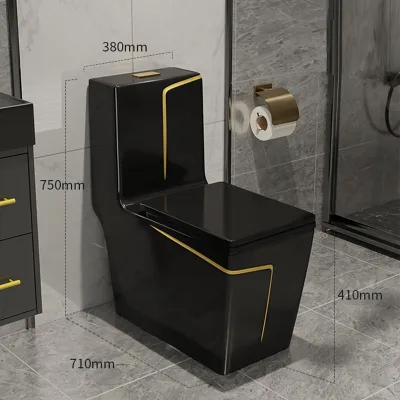
Dimensional accuracy is a critical technical specification that must be verified before placing an order. Observed standards include dimensions such as 68X35X77mm for specific components and 380670510mm for larger units. Buyers should confirm that the rough-in distance, often listed as 300-400mm or 400/300mm, matches their plumbing layout. Mismatches in these measurements can lead to installation failures and costly retrofits, making precise verification essential.
Water displacement and consumption are key performance indicators for siphonic toilets. Listings indicate water displacement ranges of 3.0-6.0L and water consumption of 4L-6L for water-saving types. The drainage mechanism is specified as siphonic, which ensures efficient flushing with lower water usage. Buyers should verify that the flush control method, such as hand press or top push button, aligns with user preferences and accessibility requirements.
Compliance and Safety Documentation
While specific certifications like CE or ISO standards are mentioned in low-confidence background data, buyers must independently verify current compliance status. It is not safe to assume that all listed products meet these standards without direct documentation from the supplier. Procurement teams should request valid test reports and compliance certificates that confirm the product meets relevant safety and environmental regulations. This step is vital for avoiding legal and logistical issues during importation.
Safety features such as leakage protection and telecontroller functionality are present in some intelligent models. Buyers should ensure that any electronic components included in the toilet meet electrical safety standards for the target market. Documentation should detail the working voltage, which is observed at 220V in some listings, to ensure compatibility with local power grids. Verifying these safety aspects protects both the end-user and the buyer from liability.
Cost Drivers and Commercial Terms
The observed price range for these products spans from 30 to 224 USD, reflecting the diversity in features and complexity. Basic ceramic models tend to be at the lower end, while automatic intelligent toilets with additional features command higher prices. Buyers should analyze the cost drivers, such as the inclusion of hot air blowing or remote control capabilities, to understand the value proposition. Negotiating commercial terms should consider the total cost of ownership, including installation and maintenance.
Minimum Order Quantity (MOQ) values range from 1 to 300 units, providing flexibility for different procurement strategies. Small-scale buyers can start with lower MOQs to test the market, while larger projects may benefit from bulk purchasing discounts. Packaging is typically done in boxes or cartons, which affects shipping costs and logistics planning. Buyers should clarify these commercial terms with suppliers to ensure accurate budgeting and efficient supply chain management.
Supplier Qualification and Quality Control
Supplier qualification involves assessing the manufacturer's capability to produce consistent quality ceramic sanitary ware. Buyers should request samples to evaluate the material strength, glaze finish, and overall craftsmanship. Verifying the supplier's origin, such as Guangdong, China, can provide insights into the manufacturing ecosystem and potential quality control practices. Engaging with suppliers who accept OEM/ODM requests allows for customization to meet specific brand requirements.
Quality control processes should be documented and transparent, covering stages from raw material inspection to final product testing. Buyers should inquire about the supplier's internal quality assurance protocols and any third-party inspections conducted. Consistency in product dimensions and performance is crucial for maintaining brand reputation. Establishing clear quality benchmarks and acceptance criteria helps in ensuring that every batch meets the expected standards.
Long-Term Procurement Checks
Long-term procurement success depends on maintaining a stable relationship with qualified suppliers who can adapt to changing market demands. Buyers should monitor supplier performance metrics, such as on-time delivery rates and defect rates, to ensure continued reliability. Regular audits and communication help in addressing any emerging issues promptly and maintaining high quality standards. Building a strategic partnership fosters trust and facilitates smoother negotiations for future orders.
Sustainability and environmental impact are increasingly important considerations in long-term procurement. Buyers should verify the supplier's commitment to sustainable practices, such as water-saving technologies and eco-friendly manufacturing processes. Aligning with suppliers who prioritize environmental responsibility can enhance brand image and meet regulatory requirements. Continuous evaluation of supplier capabilities ensures that the procurement strategy remains aligned with evolving industry standards and consumer expectations.
FAQs
What is the water consumption for this toilet?
The water consumption ranges from 3.0 to 6.0 liters per flush. This model features a water-saving type design with a built-in cistern. It utilizes a siphonic drainage structure to ensure efficient flushing while maintaining low water usage for daily bathroom operations.
Can I customize the product specifications?
Yes, customization is available for this floor ceramic toilet. The manufacturer accepts OEM and ODM requests to meet specific buyer requirements. You can discuss dimensions and features directly with the supplier to ensure the final product matches your project needs.
Which installation type is supported for this unit?
This unit supports a floor mounted installation type. It is designed as a one-piece structure with a round base pattern. The mounting type is standing floor, making it suitable for standard bathroom setups requiring a stable and secure placement on the ground.
What is the minimum pit spacing required?
The minimum pit spacing required is between 300 and 400 millimeters. This rough-in dimension ensures proper alignment with the drainage system. Verify your bathroom layout against these measurements before ordering to guarantee a correct and functional installation process.
How is the flushing control method operated?
The flushing control method is a hand press type with side buttons. Some models feature a top push button flush handle location. This mechanical operation provides a reliable way to activate the siphonic flush without needing complex electronic interfaces or remote controls.
What materials are used in the toilet construction?
The toilet is constructed from high-quality ceramic material. This durable material ensures longevity and resistance to stains and scratches. The ceramic body is formed into a one-piece structure, providing a seamless look and robust performance for adult use in bathroom environments.
Where is the product origin located?
The product origin is located in China, specifically in Guangdong. This region is known for its manufacturing capabilities in sanitary ware. Buyers can expect competitive pricing and established supply chains when sourcing these floor-mounted ceramic toilets from this specific geographic location.